

ATTENTION: CONTRACTORS & EXCAVATORS
PROTECT YOUR CREW. PROTECT THE COMMUNITY.ATTENTION: CONTRACTORS & EXCAVATORS
Excavation safety starts with planning ahead and knowing what to do before breaking ground.
Excavation work requires awareness and preparation because striking underground utilities can disrupt service, endanger crews, and put the community at risk. By contacting 811 before you dig and knowing how to recognize and respond to leaks, you can prevent damage and protect lives. The right knowledge keeps your team safe and the community protected.
Ver en español.
Safe Digging Steps
Safe Digging Steps
Before breaking ground, follow these six essential steps to help prevent damage to underground utilities, protect your crew, and keep your project on schedule.
- Site Planning – White line the proposed site to define where you are digging.
- Call 811 – Before you dig, dial 811 or visit www.sunshine811.com at least two business days prior to having the job site marked for underground utilities. It’s FREE!
- Wait the Required Time – Typically two business days for utilities to mark the dig site. The wait time does not include weekends and holidays.
- Check the Responses – Review your ticket before digging to ensure all markings or clearances are complete. If anything appears incomplete or unclear, follow up before starting work.
- Respect the Marks – Don’t destroy the marks, they’re there for your safety and valid for 30 calendar days.
- Be Safe – Excavate with care and prevent pipeline damage.
Recognize a Natural Gas Leak
Recognize a Natural Gas Leak
Recognizing the warning signs of a natural gas leak and taking the proper actions can help prevent serious incidents.
- LOOK Near a gas leak, you may notice blowing dirt, bubbling creeks or ponds, dry spots in moist areas or dead plants surrounded by live, green plants
- LISTEN An unusual hissing sound near a natural gas appliance or line may indicate a leak
- SMELL Natural gas utility companies add a harmless substance called mercaptan to create a rotten-egg-like smell
- If you spot or smell a leak, don’t try to stop it or use anything that could create a spark—not even a cell phone, flashlight, etc. Instead…
- LEAVE THE AREA completely and then call Lake Apopka Natural Gas at 407-656-2734. If the smell of gas is particularly strong, call 911 as well
If You Suspect a Natural Gas Leak
If You Suspect a Natural Gas Leak
Remain calm.
Do not light a match, candle or cigarette.
Do not turn electrical appliances or lights on or off.
From a safe location, call LANGD 24-hours a day, 7 days a week: 407-656-2734 or call 911.
If You Contact or Damage a Buried Pipeline
If You Contact or Damage a Buried Pipeline
YOU MUST NOT
- Ignore it.
- Attempt to repair it.
- Bury, hide or perform any backfilling in the immediate area.
YOU MUST
- Immediately notify Lake Apopka Natural Gas District of the contact or damage, even if you can’t see any damage at 407-656-2734.
- Stop all excavation in the immediate area that could cause further harm to the pipeline, until the operator advises you to proceed.
- If the contact or damage causes an emergency involving danger to life, health, or property, you must immediately:
- Evacuate your employees and all other endangered persons from the immediate vicinity.
- Call 911 and provide the exact location of the emergency and the type of underground utility affected.
Plumbing Contractors:
Plumbing Contractors:
Help Prevent Cross Bores
During the process of cleaning out a sewer pipeline, be alert to any unusual conditions, which may include, hissing sounds, natural gas odor, blowing dirt, and/or bubbling water.
If you suspect a natural gas leak or contact with a natural gas line has occurred:
- Stop all work, and instruct others to leave the premises immediately
- Contact Lake Apopka Natural Gas District from a safe location at 407-656-2734
- Call 911
- Keep others a safe distance away
- Do not operate any equipment
- Eliminate any source of ignition
- Do not operate pipeline equipment or facility
If you suspect a cross bore:
Call LANGD immediately at 407-656-2734 and we will inspect the situation at no charge.
Pipeline Markers
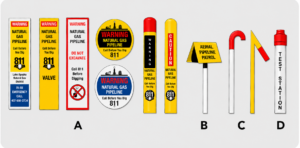
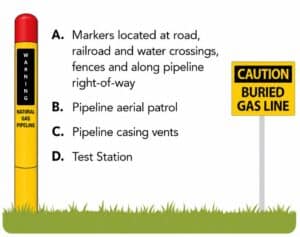
Markers purposely indicate only the general, NOT EXACT, location of pipelines.
Markers also do not indicate the depth or number of pipelines in the area. To identify operators of major gas pipelines in your area and view maps with the general locations of these pipelines, visit the National Pipeline Mapping System online at www.npms.phmsa.dot.gov.
Know the Tolerance Zone
Know the Tolerance Zone
BE AWARE – Pipeline Markers DO NOT:
- Indicate an exact location
- Designate a straight line between markers
- Specify facility depth
- Signal the number of pipelines or utilities in an area
WARNING
Underground utilities owned by the customer of those located in dense population areas may not be marked and additional steps may be necessary before any digging occurs.
Online Resources
Online Resources
Pipeline and Hazardous Materials Safety
Administration:
Safe Dig Call Center:
Know the Law:
Read the Underground Facility Damage Prevention and Safety Act:
Annual Excavation Safety Guide & Directory:
Español
ATENCIÓN: CONTRATISTAS Y EXCAVADORES
Proteja a su equipo. Proteja a la comunidad.
Los trabajos de excavación requieren precaución y preparación. Dañar las instalaciones subterráneas puede interrumpir el servicio, poner en peligro a los equipos de trabajo y suponer un riesgo para la comunidad. Si llama al 811 antes de excavar y sabe cómo detectar y actuar ante las fugas, podrá evitar daños y proteger vidas. Contar con los conocimientos adecuados garantiza la seguridad de su equipo y la protección de la comunidad.
Pasos Seguros Para Excavar
Pasos Seguros Para Excavar
Antes de comenzar cualquier excavación, siga estos seis pasos esenciales para ayudar a prevenir daños a las instalaciones subterráneas, proteger a su equipo y mantener su proyecto en marcha.
- Planificación del emplazamiento: marque con una línea blanca el emplazamiento previsto para definir dónde va a excavar.
- Llame al 811: antes de excavar, marque el 811 o visite www.sunshine811.com al menos dos días hábiles antes de que se marquen las instalaciones subterráneas en la obra. ¡Es GRATIS!
- Espere el tiempo requerido: normalmente, dos días laborables para que las empresas de servicios públicos marquen el lugar de la excavación. El tiempo de espera no incluye los fines de semana ni los días festivos.
- Compruebe las respuestas: revise su orden de trabajo antes de empezar a excavar para asegurarse de que todas las marcas o autorizaciones estén completas. Si algo parece incompleto o poco claro, aclárelo antes de comenzar a trabajar.
- Respete las marcas: no las destruya, están ahí para su seguridad y tienen una validez de 30 días calendarios.
- Manténgase seguro: excave con cuidado y evite dañar las tuberías.
Reconozca una Fuga
Reconozca una Fuga
Reconocer las señales de advertencia de una fuga de gas natural y tomar las medidas adecuadas puede ayudar a prevenir incidentes graves.
- MIRE: cerca de una fuga de gas, es posible que vea tierra levantándose, arroyos o estanques con burbujas, zonas secas en áreas húmedas o plantas muertas rodeadas de plantas vivas y verdes.
- ESCUCHE: un silbido inusual cerca de un aparato o una tubería de gas natural puede indicar una fuga
- HUELA: las empresas de suministro de gas natural añaden una sustancia inofensiva llamada mercaptano para crear un olor similar al de los huevos podridos
- Si detecta o huele una fuga, no intente detenerla ni utilice nada que pueda provocar una chispa, ni siquiera un teléfono móvil, una linterna, etc. En su lugar…
- ABANDONE LA ZONA por completo y, a continuación, llame a Lake Apopka Natural Gas al 407-656-2734. Si el olor a gas es especialmente fuerte, llame también al 911
Si Sospecha que hay una Fuga de Gas Natural
Si Sospecha que hay una Fuga de Gas Natural
Si Tiene Contacto o Daña a una Tubería Soterrada
NO DEBE
- Ignorarlo
- Intentar repararlo
- Enterrar, ocultar o realizar cualquier relleno en la zona inmediata
DEBE
- Notificar inmediatamente al Distrito de Gas Natural del Lago Apopka del contacto o daño, incluso si no se ve ningún daño a 407-656-2734.
- Detener toda excavación en la zona inmediata que pueda causar más daños a la tubería, hasta que el operador le aconseje proceder.
- Si el contacto o daño causa una emergencia que implica peligro para la vida, la salud o la propiedad, debe inmediatamente:
- Evacuar a sus empleados y a todas las demás personas en peligro de las inmediaciones.
- Llamar al 911 y proporcionar la ubicación exacta de la emergencia y el tipo de instalación subterránea afectada.
Contratistas de Plomería:
Contratistas de Plomería:
Ayude a prevenir los agujeros transversales.
Durante el proceso de limpieza de una tubería de alcantarillado, manténgase atento a cualquier condición inusual, que pueda incluir sonidos de silbido, olor a gas natural, tierra soplando y/o agua burbujeante.
Si sospecha que se ha producido una fuga de gas natural o que se ha producido un contacto con una tubería de gas natural:
- Detenga todo trabajo e indique a las demás personas que abandonen el recinto de inmediato
- Póngase en contacto con el Distrito de Gas Natural de Lake Apopka desde un lugar seguro llamando al 407-656-2734
- Llame al 911
- Mantenga a los demás a una distancia segura
- No utilice ningún equipo
- Elimine cualquier fuente de ignición
- No utilice equipos ni instalaciones de la tubería
Si sospecha que hay un agujero transversal:
Llame inmediatamente a LANGD al 407-656-2734 y evaluaremos la situación sin costo alguno.
Marcadores de Tuberías
Marcadores de Tuberías
Los marcadores indican deliberadamente solo la ubicación general, NO EXACTA, de las tuberías.
Los marcadores tampoco indican la profundidad ni el número de tuberías en la zona. Para identificar a los operadores de los principales gasoductos en su zona y ver mapas con la ubicación general de estos gasoductos, visite el Sistema Nacional de Cartografía de Tuberías en línea en www.npms.phmsa.dot.gov.
A. Señales situadas en cruces de carreteras, vías férreas y canales, vallas y a lo largo del derecho de paso del gasoducto.
B. Patrulla aérea del gasoducto.
C. Orificios de ventilación de la cubierta del gasoducto
D. Estación de pruebas
Recursos En Línea
Recursos En Línea
Administración de Seguridad de Tuberías y Materiales Peligrosos:
Centro de llamadas Safe Dig:
Conozca la ley:
Lea la Ley de Prevención y Seguridad de Daños en Instalaciones Subterráneas: